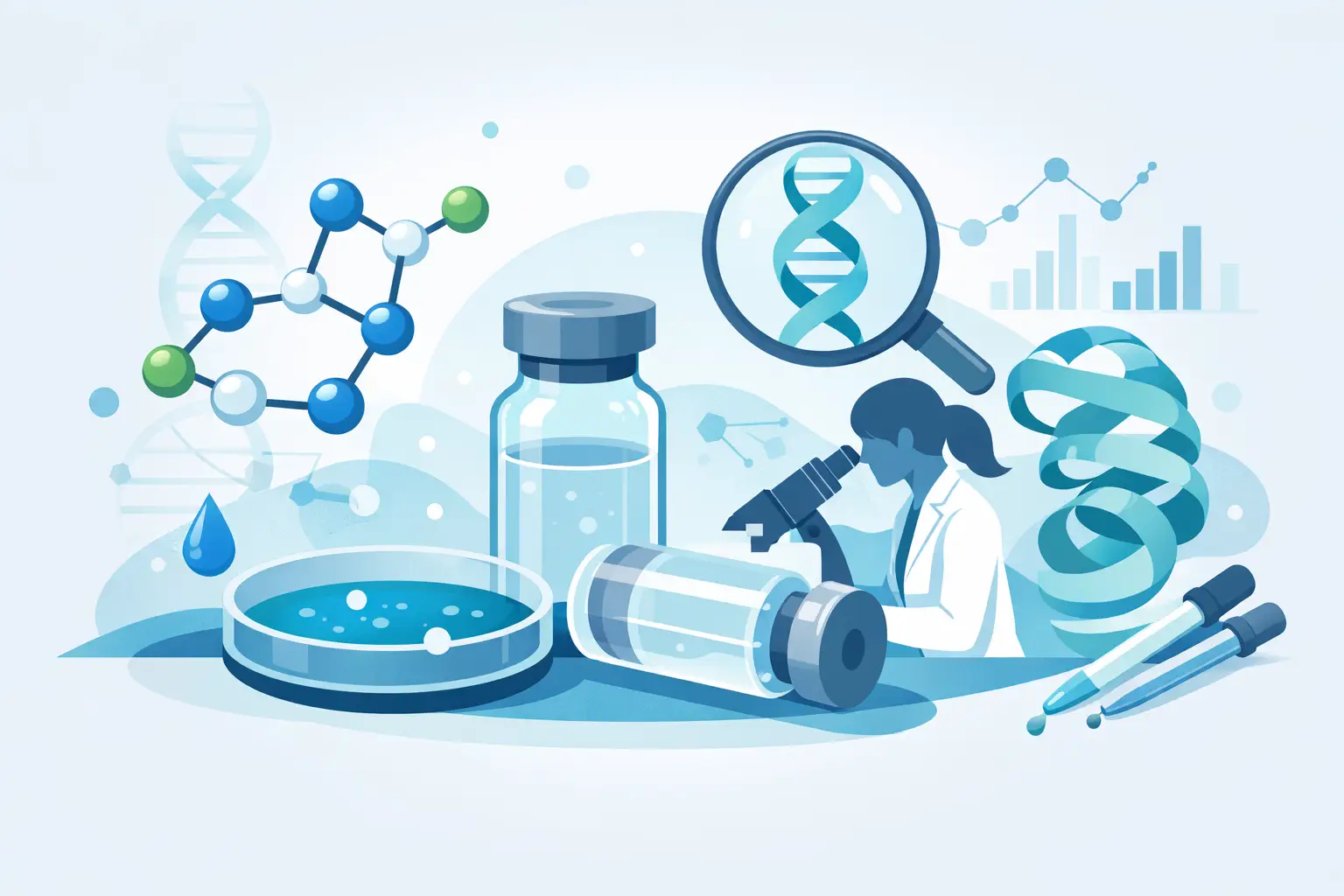
Peptides are getting a lot of attention lately. But have you ever stopped to ask: how do peptides work at a microscopic level?
It sounds like a complicated question. However, the basic biology is actually very simple and beautiful. You do not need to be a scientist to understand it.
In this guide, we will break down the science of cellular communication. We will use simple everyday examples so you can easily see how these tiny molecules coordinate amazing things inside living systems.
How Do Peptides Work: The Lock and Key Method
To understand how do peptides work, you first need to know that your cells are like little houses. Each house has locked doors. These doors are called receptors.
A peptide is like a tiny key. Because every peptide has a unique shape, it is designed to open one specific door.
When you introduce a peptide, it floats around until it finds its matching lock. Once it slots in, it unlocks the door. The amazing part is that because the key is so specific, it will not unlock any other doors. This is why peptides are so targeted and precise. They only talk to the cells they are designed to talk to.
Sending the Message Inside the Cell
So, what happens once the door is unlocked? This is where the communication magic begins.
The peptide key does not actually need to enter the cell house. Instead, just turning the key in the lock sends a signal through the wall.
Think of it like pressing a doorbell. You stay outside, but a sound rings inside the house. Inside the cell, this doorbell triggers a chain reaction. In science, this is called an intracellular signaling cascade. This cascade carries the message deep into the centre of the cell, which is called the nucleus.
Because this process is so fast and targeted, peptides can trigger very specific biological responses without disturbing the rest of the body.
Telling the Cell What to Do
Once the message reaches the centre of the cell, it delivers its instructions. The cell’s nucleus reads the message and immediately goes to work.
The instructions depend entirely on which peptide key was used. For example:
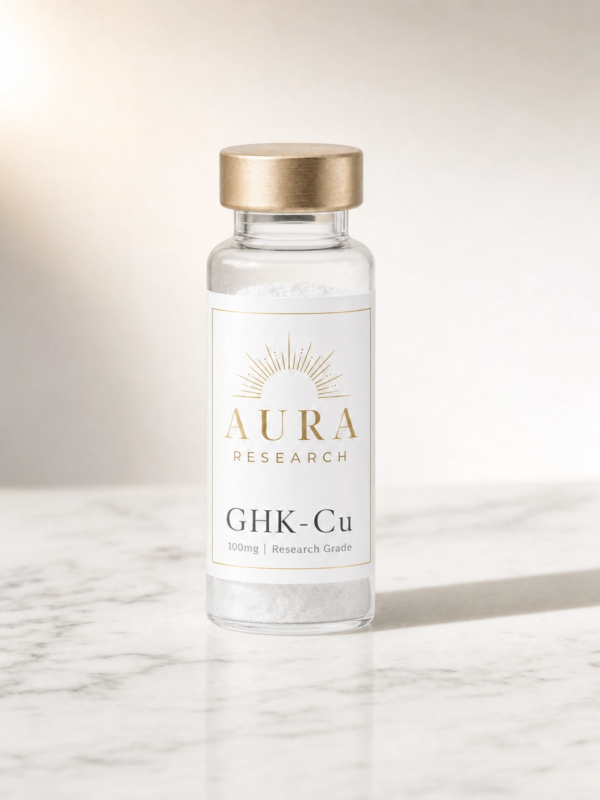
If the key is GHK-Cu, the message tells the cell to start building more collagen to repair the skin. If the key is BPC-157, the message tells the cell to grow new blood vessels to bring oxygen to an injury. If the key is MOTS-c, the message tells the cell to burn glucose and turn it into fresh energy.
Because of this system, peptides can control complex biological processes with incredible accuracy. In addition, because each peptide only fits one lock, there is very little risk of accidentally triggering the wrong response.
How Do Peptides Work Differently to Traditional Drugs?
Now that you know how do peptides work, you can see why they are so exciting to researchers.
Many traditional medicines work like loud sirens. They affect the entire body at once, which can cause a lot of chaos and unwanted side effects.
Peptides are different. They are quiet, private whisperers. They only talk to the specific cells that have the right lock. This targeted approach allows scientists to study precise healing pathways without disrupting the rest of the biological system.
As a result, researchers believe that peptides could one day lead to far more precise and effective treatments than many of the broad-spectrum medicines we use today.
| Peptide | The Message Delivered | Research Focus |
| BPC-157 | “Grow new blood vessels and repair tissue!” | Wound healing and joints |
| GHK-Cu | “Produce more collagen and tighten the skin!” | Skin remodelling and repair |
| MOTS-c | “Boost mitochondrial energy and burn glucose!” | Metabolism and energy |
| CJC-1295 | “Stimulate the release of growth hormone!” | Endocrine and metabolic research |
Why Does Purity Matter for How Peptides Work?
Here is something very important that most guides leave out. For a peptide to work properly, it must be pure.
If a peptide powder contains impurities or contaminants, those extra particles will also float around in the research model. They could bind to the wrong receptors, block the right ones, or trigger completely unintended reactions.
This is why purity is not just a quality issue — it is a scientific necessity. A contaminated peptide will not give you accurate research results. Therefore, always insist on HPLC-verified compounds with a purity of over 99%.
Summary: The Journey of a Peptide
To wrap up, let us trace the simple journey of a peptide one more time.
The peptide key finds its matching cell receptor lock. It turns the lock, sending a signal inside the cell. The signal travels to the cell’s centre. Finally, the cell reads the instructions and starts healing, growing, or producing energy.
That is how do peptides work in a nutshell. Simple, targeted, and incredibly powerful. If you want to explore the specific mechanisms of individual peptides in more detail, head over to the Aura Academy for our full research guides.
Keep diving into the benefits of research peptides
The Aura Academy is our free educational hub for anyone who wants to understand the science of human optimisation properly. Every article is written by researchers and reviewed for accuracy. Every claim is cited. And everything is honest about what the evidence shows — and what it doesn’t.
Access to the Aura Academy is completely free for all Aura Research customers. Simply, place an order for your research peptides from our safe, secure, discreet online store, and you will automatically receive complimentary access to the Academy.