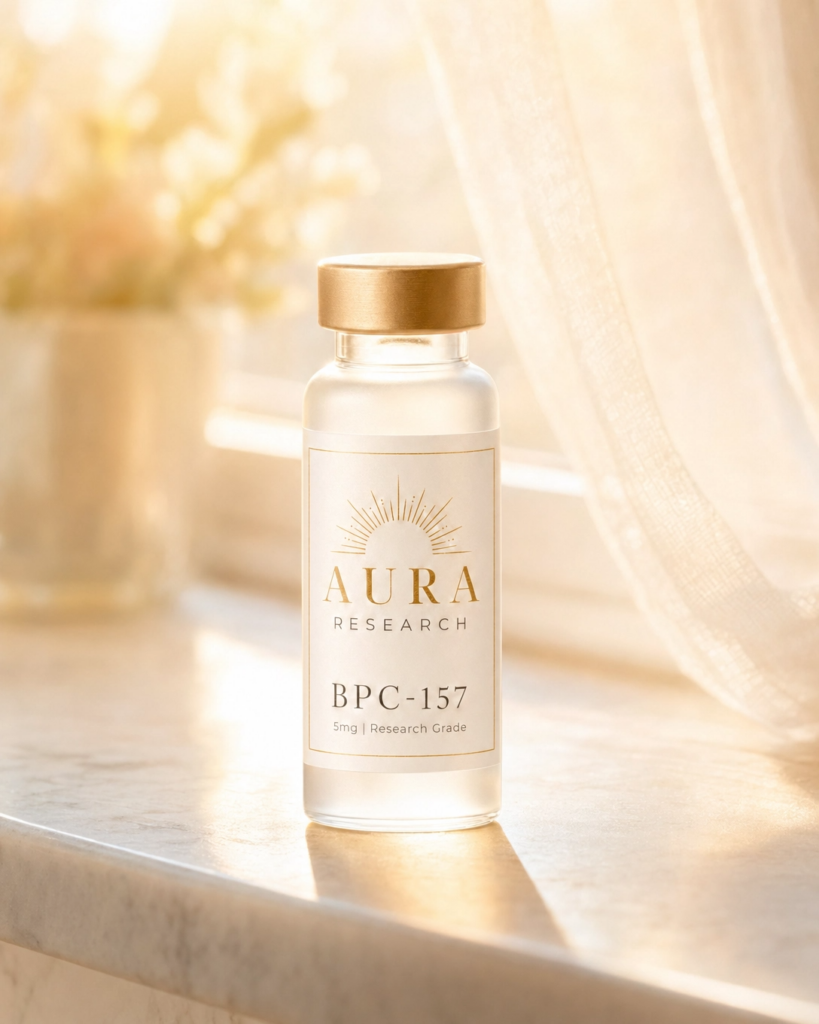
If you follow fitness or wellness trends, you have probably heard of a peptide called BPC-157. What is BPC-157? Well, many people call it a “super-healer.” Some even call it the “Wolverine peptide” after the famous comic book character who heals from any injury in seconds.
However, behind all the online hype, there is some very interesting science. Today, we are going to look past the social media rumours. We will explain exactly what is BPC-157 in simple, easy-to-understand terms. No complicated jargon, no confusing diagrams — just the facts.
What is BPC-157 in Simple Terms?
To start, let us break down the name. BPC stands for Body Protection Compound. The number 157 refers to the specific sequence of amino acids that make it up.
Unlike some synthetic chemicals, this peptide is actually based on something natural. In fact, it is a short chain of fifteen amino acids derived from a protein found in human stomach acid. In your stomach, this natural protein has a very important job. It protects your stomach lining from being burned by your own digestive acids.
Scientists discovered this and wondered: could this protective compound help other parts of the body heal too? To find out, they created a synthetic version in the lab. That synthetic version is what we now call BPC-157.
How Does BPC-157 Work in the Lab?
So, how does this compound actually help with repair? In laboratory studies on cells and animals, scientists have watched BPC-157 do some remarkable things.
First, it helps grow new blood vessels. In science, this is called angiogenesis. When a tissue is hurt, it needs blood to heal. By growing new vessels, BPC-157 brings fresh oxygen and nutrients to the injury, which speeds up the healing process.
Second, it communicates with cells called fibroblasts. These are the cells that make collagen. As you may know, collagen is the glue that holds your skin, muscles, and tendons together. BPC-157 tells these cells to multiply and rush to the injured area to rebuild the tissue.
What Does the Research Say About BPC-157?
Because of these effects, BPC-157 is heavily studied for several types of tissue repair.
For instance, researchers study it for tendon and ligament injuries. These parts of the body have very poor blood flow. Therefore, they usually take a very long time to heal naturally. By boosting blood flow, BPC-157 has shown impressive results in animal studies for repairing torn tendons.
In addition, scientists study it for gut health. Since it comes from stomach acid, it is highly stable in the digestive system. Studies show it can help repair damaged gut linings, such as those caused by inflammatory bowel issues.
| Research Focus | What Lab Studies Show | Current Human Status |
| Tendons and Ligaments | Faster healing of tears in animal models | No large human clinical trials yet |
| Gut Health | Protects stomach and gut lining from damage | Still in the research phase |
| Blood Flow | Promotes the growth of new blood vessels | Needs more study in humans |
Why is BPC-157 So Popular Right Now?
Part of the reason BPC-157 has exploded in popularity is the internet. Podcasters, athletes, and wellness influencers have been sharing their personal experiences online. Stories of rapid recovery from injuries have spread quickly across social media.
However, it is important to separate personal stories from scientific proof. While the animal studies are genuinely exciting, most of the human evidence is still anecdotal. In other words, it is based on individual experiences rather than large, controlled clinical trials.
Because of this, the scientific community is calling for more rigorous human research. The early signs are very promising, but science takes time. That is what makes BPC-157 one of the most exciting areas of current peptide research.
Is BPC-157 Ready for Human Use?
Now you know what is BPC-157 and how it works in the lab. However, there is one very important thing to keep in mind.
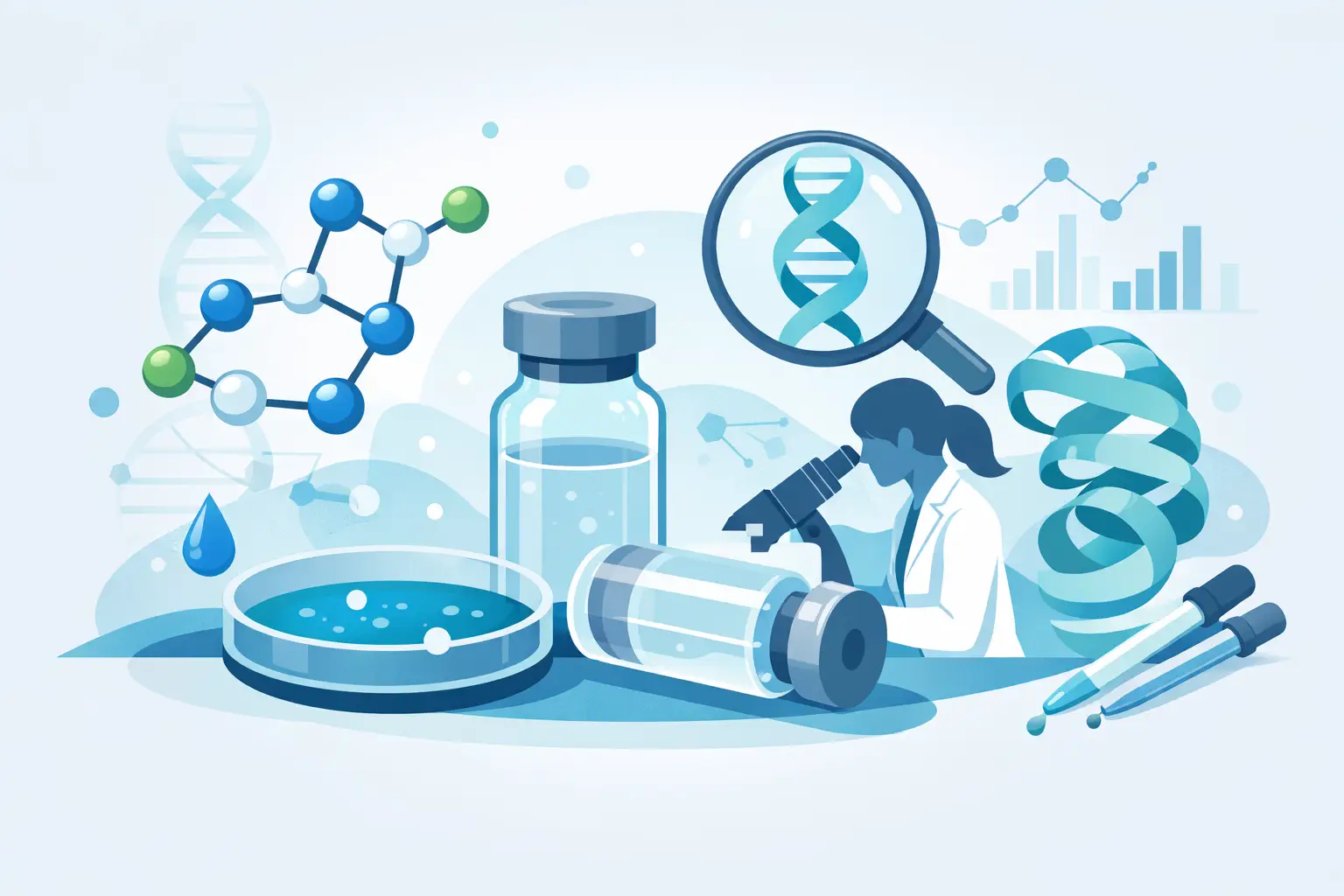
Almost all the exciting studies on BPC-157 have been done on animals, like rats, or on cells in petri dishes. There are currently no large, official clinical trials on humans.
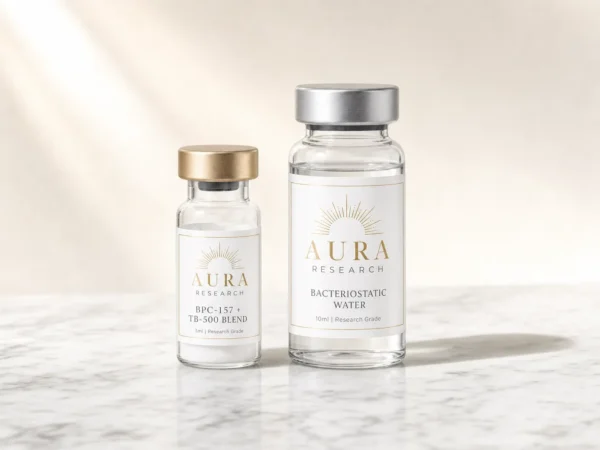
Because of this, BPC-157 is still classified as an experimental research chemical in the UK. It is not approved for human consumption. It is sold strictly for laboratory research use only.
Summary: The Basics of BPC-157
To wrap up, here is a quick summary of what is BPC-157.
BPC stands for Body Protection Compound. It is a 15-amino-acid chain based on a natural stomach protein. In labs, it helps grow new blood vessels and boosts collagen production. It is one of the most studied research peptides in the world right now. However, it is still an experimental compound and is sold strictly for research purposes.
We hope this guide helped you understand the real science behind the hype of what is BPC-157. If you want to go deeper into the research, visit the Aura Academy for our full BPC-157 research guide.
Keep diving into the benefits of research peptides
The Aura Academy is our free educational hub for anyone who wants to understand the science of human optimisation properly. Every article is written by researchers and reviewed for accuracy. Every claim is cited. And everything is honest about what the evidence shows — and what it doesn’t.
Access to the Aura Academy is completely free for all Aura Research customers. Simply, place an order for your research peptides from our safe, secure, discreet online store, and you will automatically receive complimentary access to the Academy.