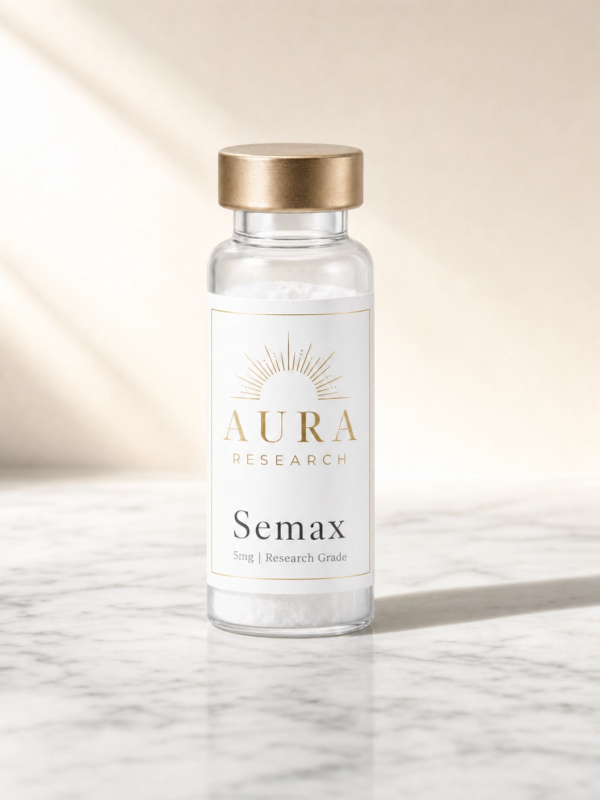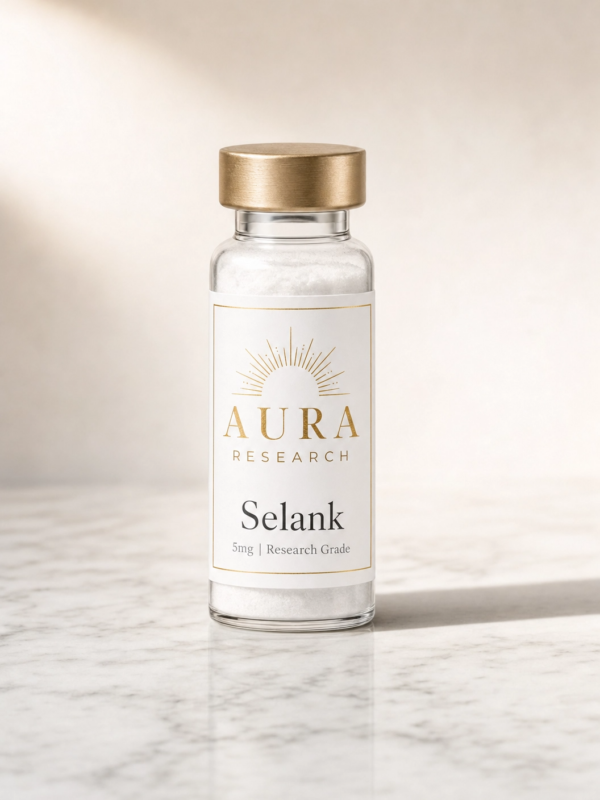
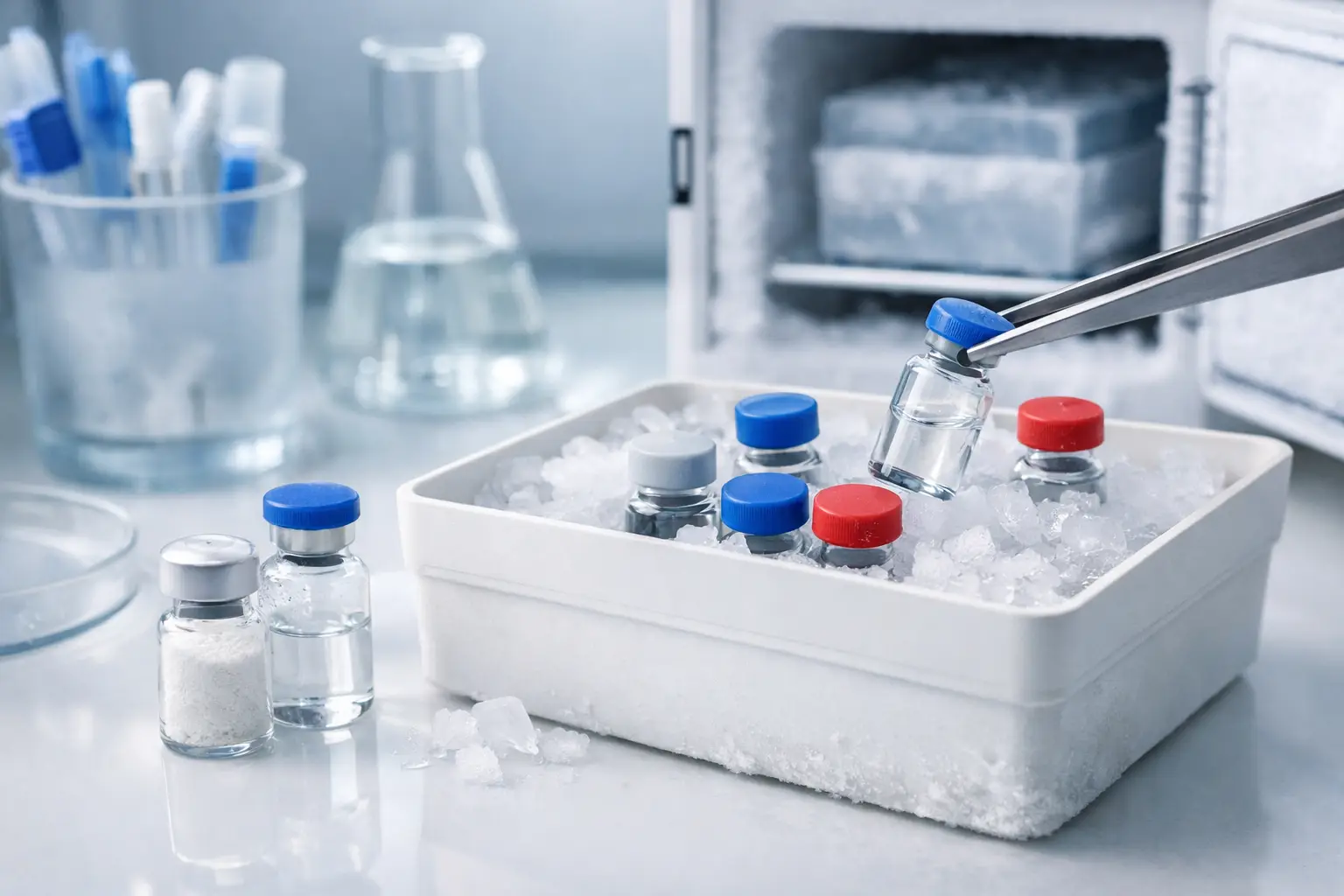
A peptide can be analytically clean on paper and still become unreliable through poor handling a week later. If you are looking into how to store research peptides, the real question is not just temperature. It is how to protect molecular stability from moisture, light, repeated freeze-thaw stress and careless day-to-day lab habits.
That matters because storage errors are rarely dramatic. You do not always get an obvious colour change, visible contamination or a failed vial seal. More often, you get drift – reduced stability, lower confidence in your material and weaker consistency across research work. For serious buyers, that is not a minor issue. It undermines the value of batch verification, purity testing and every decision made upstream.
How to store research peptides without guesswork
The correct storage approach depends on the peptide format, expected handling frequency and the manufacturer or supplier guidance provided for that specific batch. There is no single rule that covers every compound equally well. Lyophilised material generally tolerates storage better than reconstituted material, but even then, stability depends on sequence, hygroscopicity and exposure history.
For most research settings, the starting principle is straightforward. Store peptides in a controlled, dry, low-light environment at the temperature recommended for the compound, and minimise unnecessary handling. If a supplier cannot tell you the storage expectations clearly, that is already a warning sign.
Short-term storage and long-term storage are not the same decision. A vial that will be used promptly under controlled conditions may reasonably be kept differently from one intended for extended retention. The mistake many researchers make is treating every peptide like a shelf-stable powder. It is not.
Lyophilised peptides
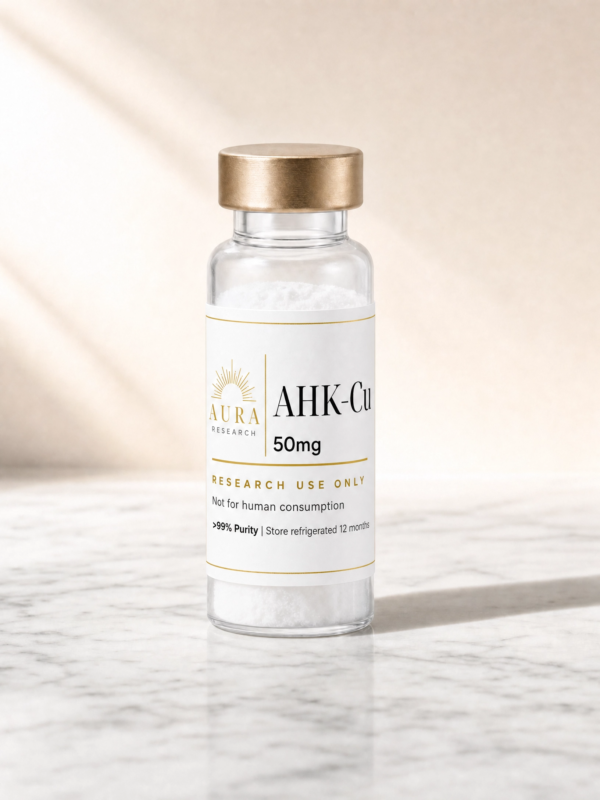
Lyophilised peptides are typically more stable than peptides in solution because hydrolytic and chemical degradation pathways are reduced when water is absent. That does not make them indestructible. Moisture ingress is one of the main avoidable risks, especially once the vial has been opened.
In practical terms, unopened lyophilised peptides are commonly stored refrigerated or frozen according to supplier guidance, with protection from heat, humidity and direct light. Lower temperatures generally support longer stability, but only if the vial remains properly sealed and dry. A badly handled frozen vial can be less trustworthy than a carefully managed refrigerated one.
If you expect to open a vial repeatedly, consider how often it will be exposed to ambient air. Each opening creates an opportunity for condensation and moisture uptake, particularly in humid environments. That is one reason aliquoting can be sensible for some workflows.
Reconstituted peptides
Once reconstituted, a peptide usually becomes more vulnerable. Stability in solution depends on solvent choice, pH, peptide chemistry, storage temperature and time. Some compounds remain usable under refrigerated conditions for a limited period. Others are better aliquoted and frozen immediately to reduce repeat thawing.
This is where sloppy assumptions cause the most damage. Reconstituted peptides should not be treated as indefinitely stable simply because they still look normal. Visual inspection is not a substitute for proper handling logic. If your work depends on consistency, your storage plan needs to be set before reconstitution, not improvised afterwards.
Temperature control is necessary, but not sufficient
Researchers often reduce storage advice to one line: keep it in the freezer. That is incomplete. Temperature matters, but stability is also shaped by temperature fluctuation, condensation events and repeated movement between storage conditions.
A stable freezer environment is preferable to a unit that is opened constantly and swings in temperature. The same applies to refrigeration. If a peptide is being moved in and out of cold storage several times a day, the nominal set temperature tells you less than you think.
Cold storage also introduces a practical problem. Bringing a vial straight from frozen conditions into a warm, humid room can create condensation on or around the container. If the vial is opened before it has equilibrated appropriately, moisture exposure becomes more likely. That risk is easy to overlook and entirely preventable.
For that reason, disciplined handling beats extreme storage on paper. Use the correct temperature, but also think about access patterns, storage location within the unit and how long the vial remains at room temperature during use.
Moisture is one of the biggest avoidable threats
When researchers ask how to store research peptides, moisture control deserves as much attention as temperature. Water can accelerate degradation and compromise a lyophilised material long before obvious physical changes appear.
Keep vials tightly sealed. Avoid storing peptides anywhere exposed to routine humidity shifts, and do not leave opened containers sitting out while other tasks are completed. That sounds basic, but most preventable handling failures are basic.
Desiccant use may be appropriate in some storage setups, particularly for unopened or carefully sealed material, but it is not a magic fix for poor handling. If a peptide has already been exposed repeatedly to warm, humid air, adding a desiccant afterwards does not reverse that history.
Good storage is cumulative. Each sensible decision preserves integrity. Each careless one erodes it.
Light, contamination and container handling
Not every peptide is equally light-sensitive, but protecting research compounds from unnecessary light exposure is prudent unless you have compound-specific evidence saying otherwise. Opaque secondary storage, original packaging where appropriate and reduced bench exposure are all sensible controls.
Contamination risk also increases after opening, especially during reconstitution. Clean technique, suitable labware and careful solvent handling matter here. Storage is not only about where the vial sits between uses. It includes everything that happens at the point of access.
Container choice matters as well. Original vials are usually selected for compatibility and stability, whereas ad hoc transfers introduce extra variables. If aliquoting is necessary, use appropriate sterile containers and label them clearly with identity, concentration where relevant, date of preparation and storage condition. Unlabelled or ambiguously labelled aliquots are not a storage strategy. They are an accountability problem.
Freeze-thaw cycles are a quality risk
Repeated freeze-thaw cycling is one of the most common ways researchers quietly damage peptide material. Every thawing event introduces physical and chemical stress, and some peptides tolerate this worse than others.
If you know a reconstituted peptide will be used across multiple sessions, aliquoting into smaller volumes can reduce this risk substantially. That approach only works if the aliquot size reflects actual use. Oversized aliquots that get thawed and refrozen repeatedly defeat the point.
There is a trade-off here. More aliquots mean more containers, more labelling and more initial handling. For low-frequency use, the added control is usually worth it. For immediate short-term use, it may not be. The right choice depends on the workflow, but ignoring freeze-thaw exposure is rarely defensible.
Storage guidance should match the batch, not forum lore
One of the clearest trust signals in this category is whether a supplier provides specific handling documentation rather than vague, recycled advice. General best practice is useful, but it does not replace batch-level transparency, analytical records and proper product guidance.
If a supplier verifies purity, provides accessible documentation and states storage expectations clearly, you can make better decisions from the start. If they hide basic handling information or rely on generic marketing language, you are left filling in the gaps yourself. No serious researcher should accept that.
Aura Research takes the evidence-led route for exactly this reason. Quality does not stop at a purity number. It includes the documentation and handling clarity needed to protect that material after it arrives.
Practical habits that preserve peptide integrity
The best storage systems are not complicated. They are consistent. Keep storage temperatures stable, protect material from moisture and light, plan reconstitution before you begin, and avoid opening or thawing a vial more often than necessary.
It also helps to document first-open dates and any reconstitution details. That may feel excessive for small-scale work, but memory is a poor quality system. If two similar vials have been handled differently over time, your records should make that visible.
Finally, treat storage advice as compound-specific wherever possible. Some peptides are relatively forgiving, while others are not. Precision means resisting the urge to generalise beyond what the chemistry supports.
Good peptide storage is not glamorous, and it is not a marketing talking point. It is one of the quiet disciplines that separates credible research handling from expensive self-sabotage. If you have invested in verified material, store it in a way that respects the standard you paid for.