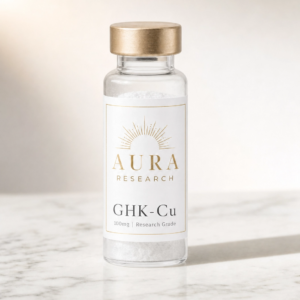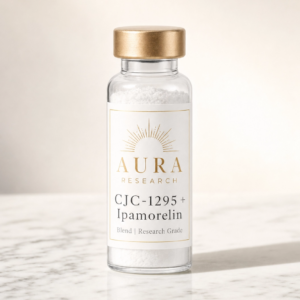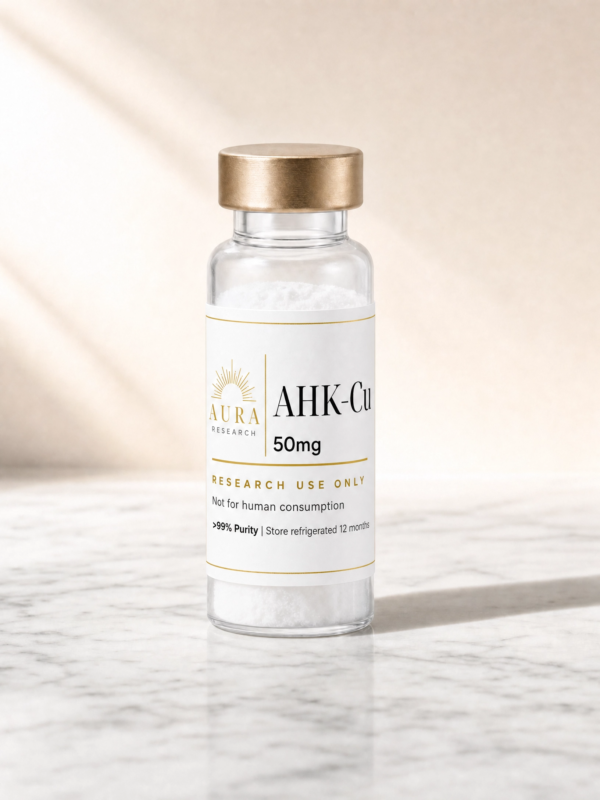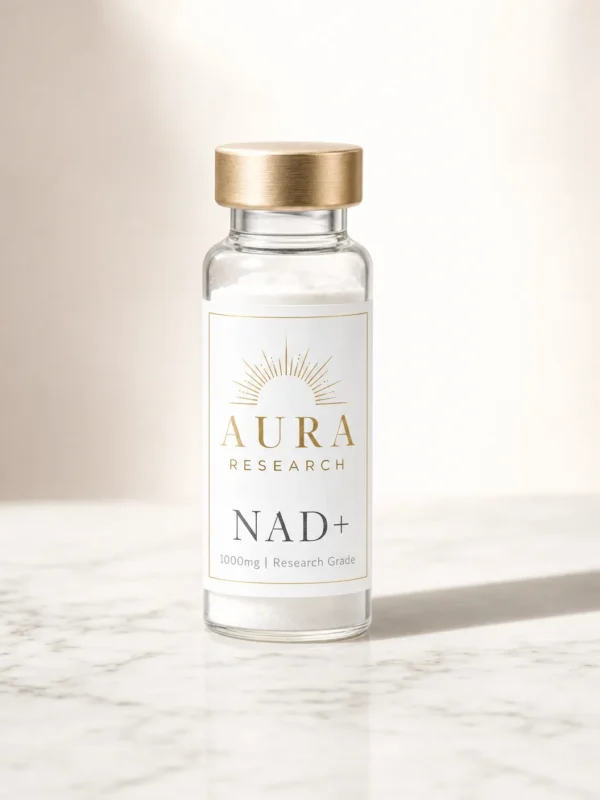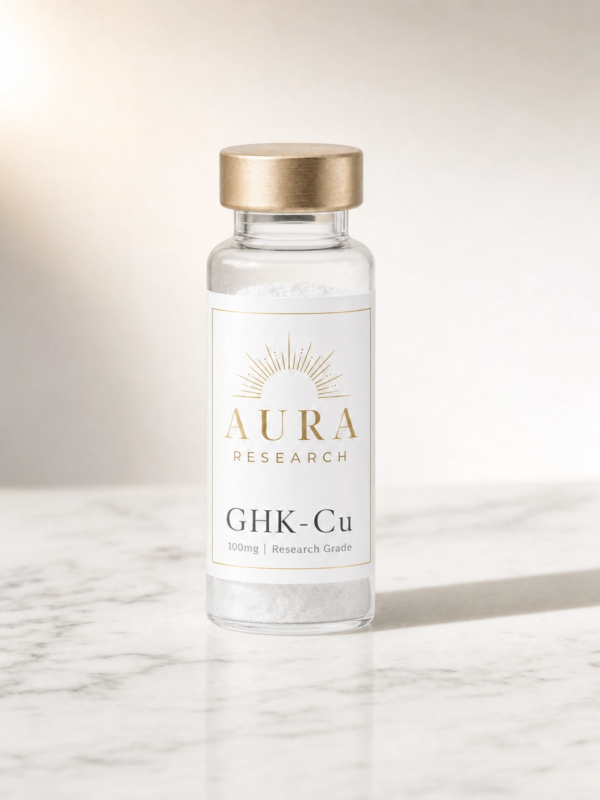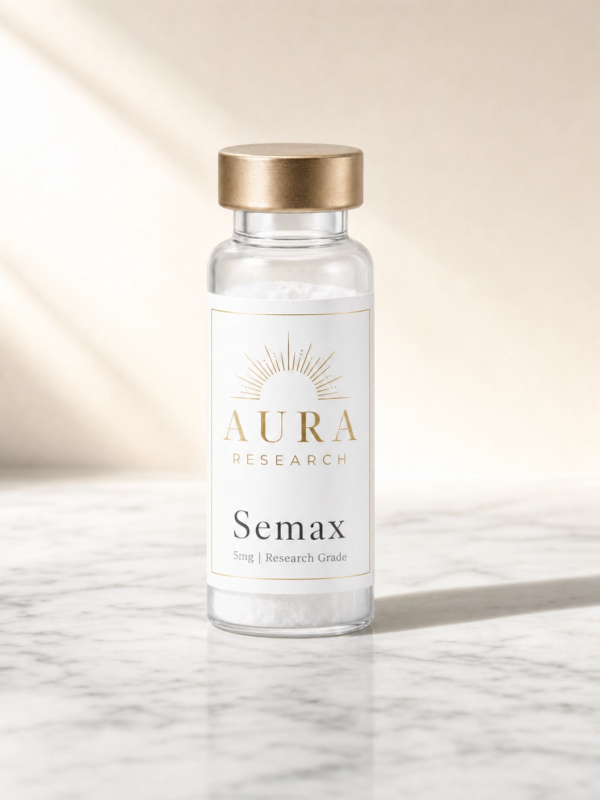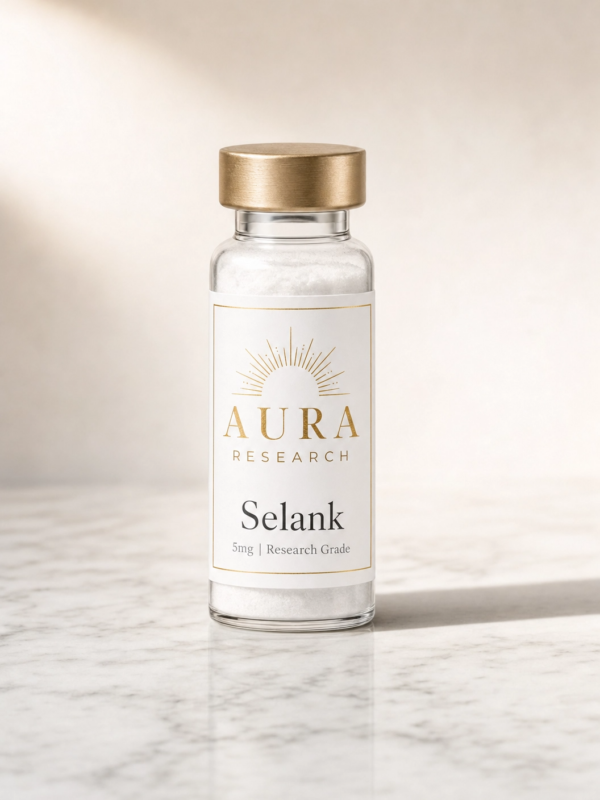

A label saying research use only is not decorative packaging copy. It is a legal and scientific boundary. If you are asking what is research use only peptides, the short answer is this: peptides sold under an RUO designation are supplied strictly for laboratory research and analytical work, not for human or veterinary use, diagnosis, treatment, or prevention of disease.
That sounds simple until you look at how loosely the term is used across the market. Some suppliers treat RUO as a footnote while surrounding the product with implication-heavy marketing. Serious researchers should reject that immediately. If a seller is casual about boundaries, they are often casual about batch data as well.
What is research use only peptides in practice?
In practice, research use only peptides are peptide compounds supplied for controlled research settings, where the intended purpose is experimental investigation rather than clinical application. The RUO label defines permitted use, marketing language, and handling expectations. It does not mean a compound is low quality, experimental in a vague sense, or exempt from scrutiny. If anything, the opposite is true. Because RUO materials sit outside approved medical use, documentation and supplier transparency matter more, not less.
Peptides themselves are short chains of amino acids. In research, they may be studied for receptor binding, signalling pathways, tissue response, metabolic effects, neurobiological mechanisms, cellular repair models, or dermal biology. Whether a peptide is well known or relatively niche does not change the core point: RUO status means it is being supplied for scientific investigation only.
This is where many buyers make a category error. They assume RUO describes what the peptide is. It does not. RUO describes how it may be supplied and used. A peptide can be analytically clean, well characterised, and commonly discussed in research literature while still being sold only under a research-use-only framework.
Why the RUO label exists
The RUO framework exists to draw a clear line between research materials and products approved for medical or diagnostic use. That distinction protects laboratories, suppliers, and the wider public from blurred claims and misuse.
From a compliance standpoint, an RUO supplier should not market peptides as medicines, therapies, or consumer wellness products. The moment the commercial presentation starts hinting at outcomes in humans, the seller is stepping outside the proper boundary. That is a warning sign. A supplier that respects RUO compliance is more likely to respect testing standards, documentation integrity, and accurate compound presentation.
There is also a scientific reason this matters. Research compounds are often studied in early-stage, preclinical, exploratory, or non-clinical settings. Evidence can be promising without being definitive. Honest suppliers keep that distinction intact. They do not inflate preliminary findings into certainty.
RUO does not mean unverified
One of the worst assumptions in this category is that research use only means loosely controlled stock. It should mean the opposite. If a peptide is sold for laboratory work, the buyer needs to know exactly what is in the vial and how that was verified.
That starts with identity and purity testing. High-performance liquid chromatography, commonly shortened to HPLC, is often used to assess purity. Mass spectrometry may be used to support molecular identity. A proper Certificate of Analysis should tell you what batch was tested, what method was used, and what result was obtained. Vague claims such as laboratory tested or premium grade are not enough.
The most credible suppliers make batch-level documentation easy to inspect before purchase. No gated PDFs. No selective disclosure. No asking customers to trust a headline purity figure without underlying paperwork. If a supplier will not show you the batch data, you do not have a quality claim. You have a marketing claim.
What buyers should check before purchasing
For technically informed buyers, the first question is not which peptide looks interesting. It is whether the supplier is operating to a defensible standard. Start with the batch documentation. You should be able to review a current Certificate of Analysis tied to the lot you are actually buying, not a generic template.
Then check how the product is described. Is the language disciplined and compliant, or does it drift into therapeutic suggestion? Serious RUO sellers do not play semantic games. They state clearly that the compound is for research use only and avoid claims that belong to regulated medical products.
After that, assess traceability. Can the supplier explain purity thresholds, third-party testing, storage guidance, and basic handling parameters? Can they tell you what they know and, just as importantly, what they do not know? Precision builds trust. Vagueness destroys it.
This is one area where Aura Research has taken the right position: no compromises on quality or transparency. Public COAs, defined purity standards, and evidence-led education are not extras in this category. They are the baseline serious researchers should expect.
Research use only peptides and common misunderstandings
A frequent misunderstanding is that RUO means unrestricted. It does not. RUO is a restriction. It limits the intended use to research contexts and does not authorise self-experimentation, medical use, or consumer-directed application.
Another misunderstanding is that RUO status tells you whether a peptide works. It does not. A compliant label is not proof of efficacy, safety, or suitability for any clinical purpose. It simply tells you the product is being supplied within a research-only framework.
There is also confusion between purity and legitimacy. A high purity figure matters, but it is not the whole story. You also need batch identity, credible testing methods, stable handling practices, and honest presentation. A peptide advertised at 99 per cent purity without accessible evidence is less convincing than a 98 per cent batch with full analytical documentation.
How research settings use RUO peptides
In legitimate research settings, RUO peptides may be used to investigate mechanisms rather than outcomes. A laboratory might examine receptor interaction, signalling cascades, cellular response under controlled conditions, degradation patterns, or comparative activity between related compounds. The emphasis is on generating data, not making consumer-facing claims.
That distinction matters because peptide discussion online is often flooded with anecdote. Anecdote is not method. It does not replace controlled design, analytical confirmation, or careful interpretation. Researchers who want dependable inputs should treat sensational claims with the same scepticism they apply to missing test records.
It also depends on the peptide itself. Some compounds are relatively well represented in preclinical literature, while others are discussed more than they are properly studied. That does not automatically disqualify a compound from research interest, but it should change how cautiously you interpret the evidence. Honest sourcing and honest expectations belong together.
Why transparency matters more in this category
The peptide market rewards appearance. Clean branding, bold purity claims, and aggressive copy can make weak suppliers look credible for a moment. Transparency is what separates them.
Public batch records matter because they let buyers verify rather than assume. Third-party testing matters because in-house claims alone are not enough. Clear compliance language matters because it shows the supplier understands the line they are operating within. Educational content matters because informed buyers make better decisions and are less vulnerable to hype.
In a scrutinised category, opacity is not neutral. It is a liability. If a supplier hides documentation, obscures lot information, or leans on implication instead of evidence, there is usually a reason. Serious researchers should walk away.
What is research use only peptides really telling you?
At its best, the RUO label tells you two things at once. First, the compound is being supplied for non-clinical research purposes only. Second, the supplier should be disciplined enough to present that compound without overstating what the evidence supports.
That is the standard worth buying to. Not excitement. Not community folklore. Not polished product pages with no analytical spine behind them. A credible RUO peptide supplier is one that treats documentation as part of the product, not as an afterthought.
If you are evaluating a peptide for laboratory work, look past the headline and inspect the evidence trail. The right supplier will make that easy. The wrong one will make it awkward. That difference tells you nearly everything you need to know.
The strongest buying habit in this space is simple: trust the batch data more than the branding, and trust the supplier who is willing to show their workings.